Is LinkedIn Premium Worth It in 2026? An Honest Verdict

LinkedIn Premium is worth it for a minority of deliberate users and a waste for most passive ones. Kondo’s breakdown puts the cost at $39.99+ per month with mixed user reviews, and its verdict matches ours: the value depends entirely on your situation, industry, and goals. Here is the honest math per persona, plus the cost no review counts.
Key takeaways
- Premium costs $39.99+ per month and reviews are mixed, per Kondo’s breakdown.
- Job seeker InMail response rates run 10 to 25 percent, per Teal.
- Reddit’s recurring point: recruiters contact you on a free account anyway.
- InMail credits by plan: Career 5, Business 15, Sales Navigator up to 50, per Kondo.
- No plan filters your inbox; visibility can raise the noise you receive.
Is LinkedIn Premium worth it?
It depends, and anyone who answers otherwise is selling something. Kondo’s review lands on exactly that: the value of LinkedIn Premium is not universal, it depends on your situation, industry, and goals. The plans reward people with a specific, active use for the paid features and return almost nothing to everyone else.
The pattern across sources is consistent. Kondo reports mixed user reviews at $39.99+ per month, with many finding key features like InMail credits and Applicant Insights have limited impact on their job search. The Reddit threads say the same thing in first person: one r/linkedin poster wrote “I have already wasted my one month for free offer” while asking whether paying would change anything.
So the useful question is not whether Premium is worth it in general. It is which persona you are, and what you would actually do with the features. Plan prices are covered plan by plan in our LinkedIn Premium pricing guide.
Is LinkedIn Premium worth it for job seekers?
Usually not, with one deliberate exception. The InMail pitch sounds strong until you see the response data: Teal pegs job seeker InMail cold outreach at a 10 to 25 percent response rate, with many reporting under 10 percent. Five credits a month on the Career plan means one or two replies in a good month.
The blunter version comes from inside the industry. On r/careerguidance, the recurring answer is that recruiters will contact you with a free account, because recruiters search with their own paid tools. Paying to be reachable makes little sense when you are already reachable.
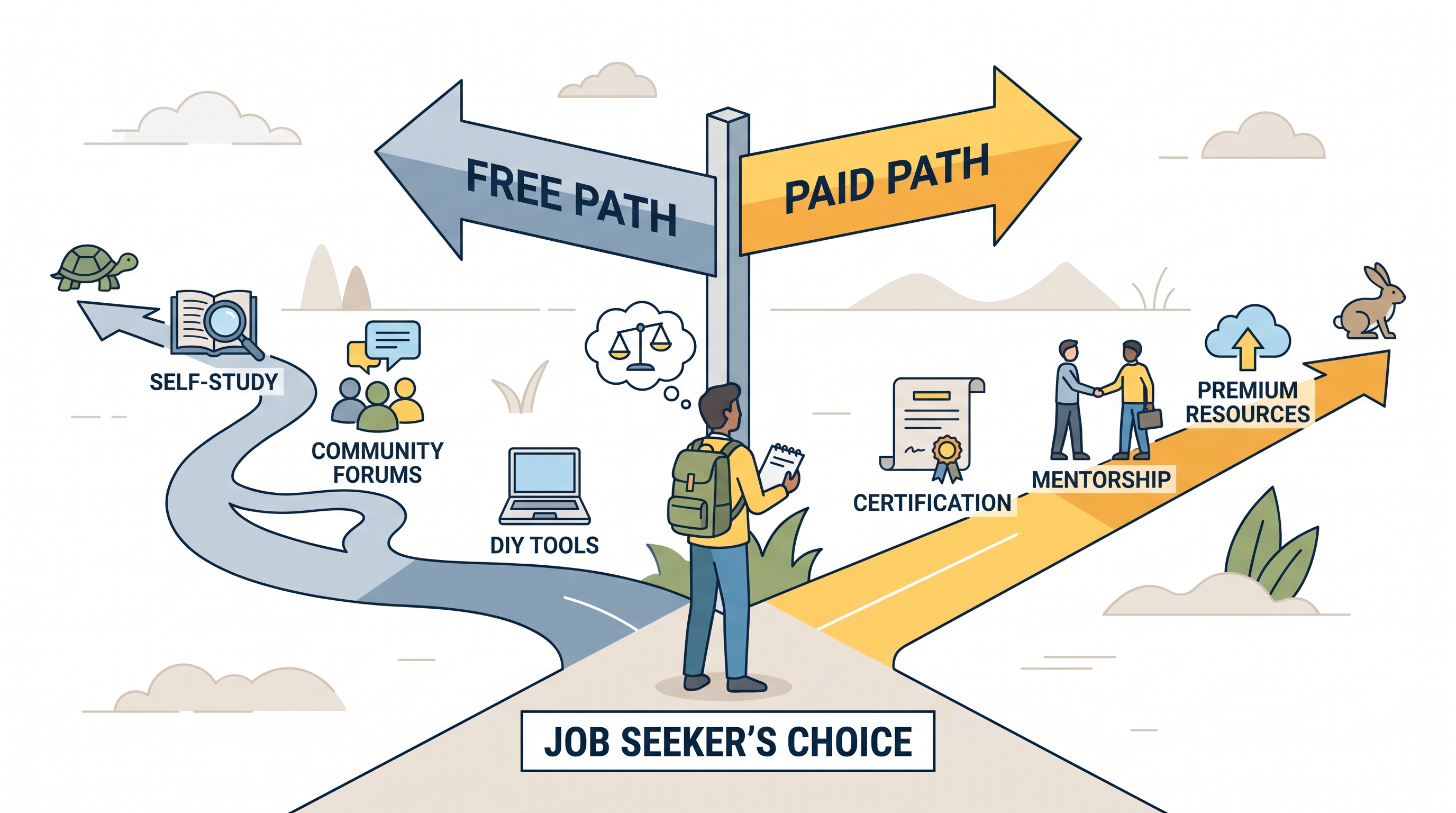
The exception: candidates who target specific hiring managers, and career switchers who lean on the Learning library. Kondo notes all Premium plans include over 16,000 courses, quoting one user: “If you’re into… making use of their learning hub then it’s worth it.” What the entry plan includes is broken down in our Premium Career guide.
Is it worth it for sales, founders, and recruiters?
More often yes, because the paid features map to daily work instead of a temporary search. Kondo’s credit ladder tells the story: Career gets 5 InMail credits monthly, Business 15, and Sales Navigator up to 50. The plans scale with how much outbound you run.
Per persona, from the sources:
- Salespeople: the strongest case. Sales Navigator exists for prospecting, and a single closed deal covers the year. Kondo still flags the failure mode: InMails going unanswered or being perceived as spam.
- Founders and executives: worth it when networking is deliberate. An r/linkedin commenter put the condition well: “If you are heavy with networking then it’s worth it,” adding that most people never use the free tier effectively first.
- Recruiters: the tools pay for themselves, which is why recruiters rarely debate the question; their employers pay for Recruiter seats.
The common thread is volume. If your week already contains real outbound, credits and search filters compound. If it does not, the subscription quietly renews while you use LinkedIn exactly as before.
What does LinkedIn Premium not fix?
Your inbox, and for heavy users that is the daily pain. Every plan upgrades sending and visibility; none adds a filter for what arrives. LinkedIn has no spam folder and no inbox rules on any tier, so the cold pitches keep landing in the same stream as the messages that matter.
Worse, the worth-it math has a hidden negative term. A Premium badge and boosted visibility mark you as an active, higher-value target for outreach lists, so the subscription can raise the noise you receive. None of the reviews on this SERP count that cost. Our guide to stopping LinkedIn spam covers why the native settings cannot solve it.
That receiving side is what Linbox is built for. It filters cold pitches and recruiter blasts out of your primary view automatically, moves them aside without deleting anything, and restores a sender the moment you reply. Whatever your Premium verdict, the clean inbox is a separate, cheaper decision.
How do you decide, cheaply?
Run a one-month test with a measurable goal. LinkedIn offers eligible users a free month, and the mechanics, eligibility rules, and auto-charge trap are covered in our free trial guide. Pick one metric before you start: replies from target companies, booked calls, or courses finished.
Three rules make the test honest:
- Spend every credit deliberately. Five researched InMails beat twenty sprayed ones at the 10 to 25 percent response rates Teal reports.
- Set a cancel reminder for day 25. The exact steps per device are in our cancel guide.
- Compare against the free baseline. If the recruiter replies would have arrived anyway, the r/careerguidance crowd was right for your case.
If the month produces nothing you can name, the answer for you is no, and it will stay no until your usage changes.
One more framing that helps: annualize the decision. At the $39.99 monthly price Kondo cites, a year of Premium runs near $480, which is a conference ticket, a course bundle, or several months of better tooling. Ranking the subscription against the alternatives you would actually buy makes the worth-it answer concrete instead of vibes.
Frequently asked questions
Is it worth paying for LinkedIn Premium?
Only if you have an active, specific use for the paid features. Kondo’s review finds mixed reviews at $39.99+ per month and concludes the value is not universal. Deliberate networkers and salespeople get returns; passive users rarely do.
What are the downsides of LinkedIn Premium?
The cost against uncertain returns: Teal reports 10 to 25 percent InMail response rates for job seekers, and Kondo lists InMails going unanswered or being read as spam. Added visibility can also increase the cold outreach you receive, which no plan filters.
Do recruiters prefer candidates with LinkedIn Premium?
No. The consistent answer on r/careerguidance is that recruiters will contact you with a free account, because they search through their own tools. The badge does not rank you higher in a recruiter’s search.
Is LinkedIn Premium worth it for job seekers specifically?
Rarely as a reach tool, sometimes as a learning tool. With Teal’s reported response rates many under 10 percent, the 5 monthly credits seldom change a search, but Kondo notes the 16,000+ course library can justify the price for career switchers.
Frequently asked questions
- Is it worth paying for LinkedIn Premium?
- Only if you have an active, specific use for the paid features. Kondo's review finds mixed reviews at $39.99+ per month and concludes the value is not universal. Deliberate networkers and salespeople get returns; passive users rarely do.
- What are the downsides of LinkedIn Premium?
- The cost against uncertain returns: Teal reports 10 to 25 percent InMail response rates for job seekers, and Kondo lists InMails going unanswered or being read as spam. Added visibility can also increase the cold outreach you receive, which no plan filters.
- Do recruiters prefer candidates with LinkedIn Premium?
- No. The consistent answer on r/careerguidance is that recruiters will contact you with a free account, because they search through their own tools. The badge does not rank you higher in a recruiter's search.
- Is LinkedIn Premium worth it for job seekers specifically?
- Rarely as a reach tool, sometimes as a learning tool. With Teal's reported response rates many under 10 percent, the 5 monthly credits seldom change a search, but Kondo notes the 16,000+ course library can justify the price for career switchers.